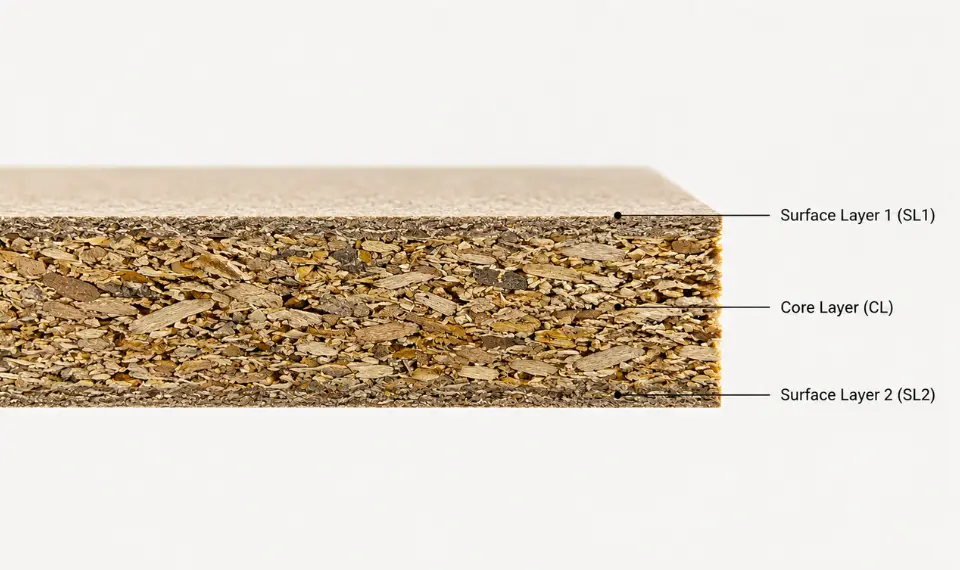




Particle board is a cost-effective material often used in flat-pack and mass-produced furniture. However, while it’s affordable and functional, it sometimes lacks visual appeal. The good news? You can easily refresh it. Paint particle board furniture to give it a whole new look that fits your personal style or interior design goals. The type of particle board affects how well it accepts paint. See all particle board types →
In this article, we’ll walk you through everything you need to know about painting particle board—from preparation and tools to step-by-step techniques—so you can transform basic furniture into something you’ll be proud of.
Can You Paint Particle Board Furniture?
Yes, absolutely! While particle board is a porous, engineered material, with proper surface preparation and the right type of paint, you can achieve excellent results. Many people have successfully painted dressers, desks, shelves, and cabinets made from particle board for a fresh and modern update.
What You’ll Need
Before you begin, gather the following supplies:
- Sandpaper (120 and 220 grit)
- Primer (preferably stain-blocking or bonding)
- Latex or oil-based paint (or furniture chalk paint)
- Paintbrushes and/or foam rollers
- Tack cloth or damp rag
- Painter’s tape
- Drop cloth or newspaper (for workspace protection)
- Optional: wood filler (for dents or chips)
How to Paint Particle Board Furniture: Step-by-Step
1. Clean the Surface
Wipe down the furniture to remove dust, grease, or residue. Use a mild cleaner if needed, then let it dry completely. Avoid excess moisture during cleaning, since particle board can absorb water if the surface is compromised.
2. Lightly Sand the Surface
Use 120-grit sandpaper to roughen the melamine or laminate surface. This helps the primer and paint adhere better.
3. Repair Any Damage
Fill any chips, holes, or dents with wood filler. Allow it to dry and sand the area smooth with 220-grit sandpaper.
4. Apply Primer
Use a bonding primer that sticks to laminate or melamine surfaces. Apply one or two even coats and let each layer dry thoroughly.
5. Paint the Furniture
Use a foam roller for large flat areas and a brush for corners and edges. Latex, acrylic, and oil-based paints all work well — semi-gloss or satin finishes hold up best for furniture and shelving. Apply thin, even coats; two to three coats are usually sufficient. Let each coat dry according to the paint manufacturer’s instructions.
6. Seal (Optional)
For added durability, especially on tabletops or high-touch surfaces, apply a clear sealer or polyurethane topcoat.
Read more: Particle Board Water Damage Repair: Restore Strength and Save Your Furniture
Tips for Best Results
- Choose high-quality primer and paint for better adhesion and durability.
- Be patient—rushing the drying process can cause smudges or peeling.
- Test paint on a small area first to check adhesion and color result.
- Chalk paint is a good option for a matte, vintage finish and often requires less prep.
- Use a drop cloth to protect your workspace from spills and drips.
Benefits of Painting Particle Board Furniture
- Cost-Efficient Makeover – Refresh old or inexpensive furniture without replacing it.
- Customization – Match your pieces with your room’s color palette or style, with a wide range of paint colors and finishes to choose from.
- Increased Durability – A properly painted and sealed surface can withstand wear and tear, extending the furniture’s lifespan.
- Sustainability – Extend the life of furniture and reduce waste.
Common Applications for Painted Particle Board
- Furniture Makeovers – Revitalize old or damaged dressers, desks, and cabinets.
- Custom Shelving – Create bespoke shelving solutions with a polished look.
- DIY Projects – Perfect for craft projects and home improvement tasks.
Particle Board from PT. Rimba Partikel Indonesia
Looking to build or repair furniture using high-quality particle board? PT. Rimba Partikel Indonesia supplies premium-grade particle boards with smooth, paint-ready surfaces and excellent structural integrity—ideal for both professional and DIY applications.
Our boards are engineered for durability, consistency, and eco-friendliness, making them a reliable choice for furniture designers, interior projects, and renovations.
Contact us for more information about stock availability and specifications at admin-rpi@rimbapartikel.com or via WhatsApp.
Conclusion
To paint particle board furniture is to unlock new life and style in your living space. With some patience and the right tools, you can take any plain or outdated piece and give it a vibrant, fresh finish. Whether you’re flipping second-hand finds or customizing ready-to-assemble furniture, this guide will help you achieve results that look professional and last for years.
And for your next furniture-building project, consider sourcing reliable and paint-friendly particle boards from PT. Rimba Partikel Indonesia—your trusted partner in engineered wood solutions.