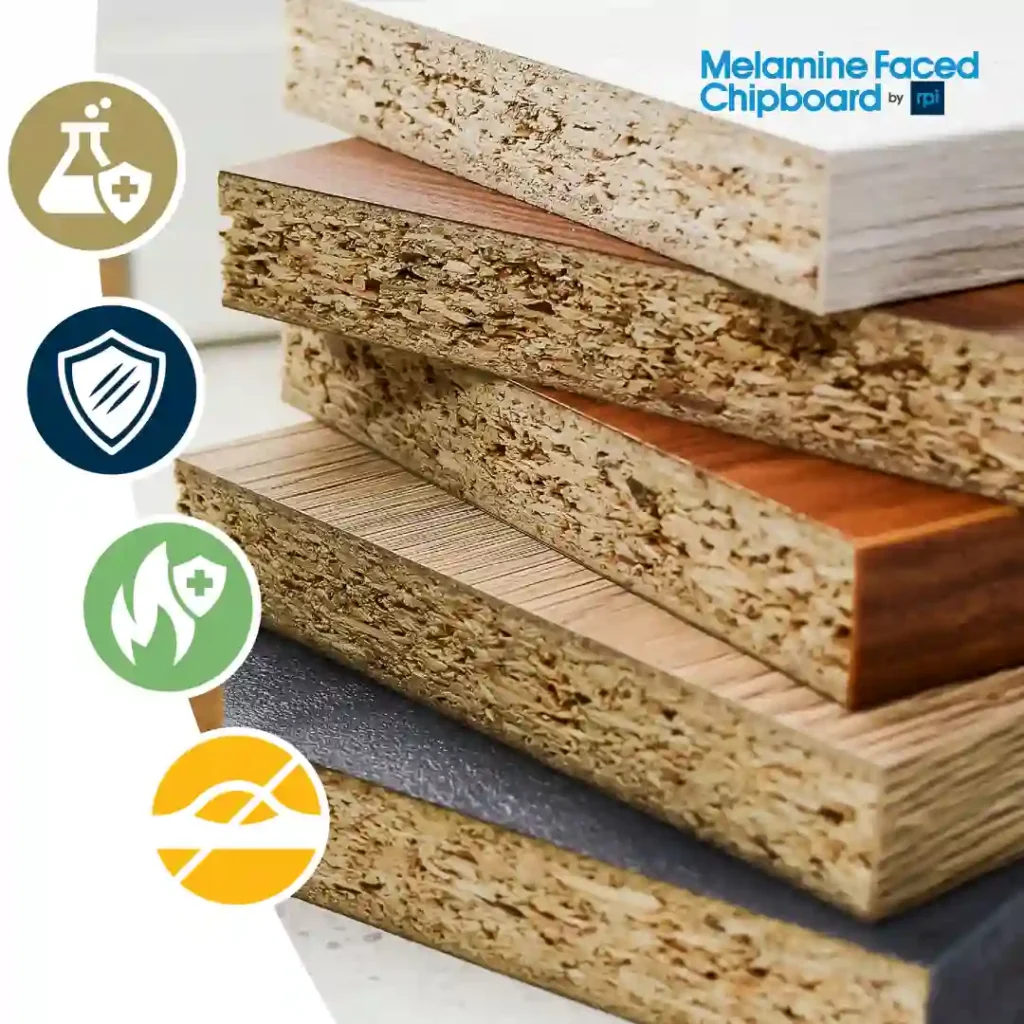



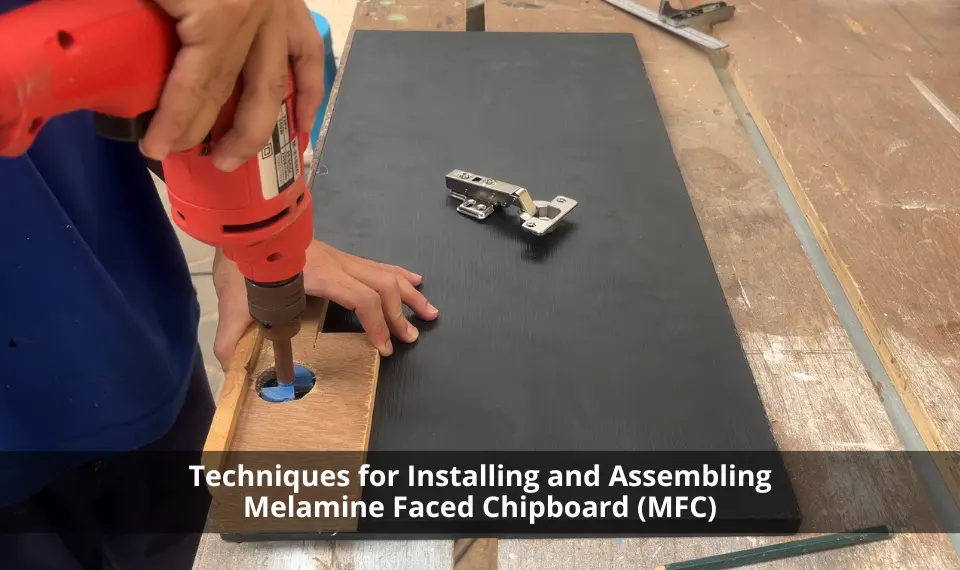
Melamine Faced Chipboard (MFC) has become one of the most popular materials for modern furniture production because it offers a clean appearance, various decorative finishes, and a faster production process compared to painted finishing systems.
However, achieving strong and professional looking furniture does not only depend on the material itself. Proper installation and assembly techniques for installing and assembling Melamine Faced Chipboard (MFC) play a major role in preventing common problems such as chipped edges, loose joints, cracked surfaces, or damaged melamine layers.
That is why understanding the correct techniques for installing and assembling Melamine Faced Chipboard (MFC) is essential for producing furniture that is durable, precise, and visually appealing.
Understanding Melamine Faced Chipboard (MFC) and Its Characteristics
MFC (Melamine Faced Chipboard) is a particle board panel coated with decorative melamine layers on both surfaces. This material is widely used for:
- Kitchen sets
- Lemari pakaian
- Office furniture
- Sistem rak
- Lemari TV
- Hotel and apartment interiors
One of the biggest advantages of MFC is its ready to use decorative surface, which eliminates the need for additional painting. However, because the surface uses melamine coating, improper cutting or drilling techniques may cause chipping or peeling on the edges.
Proper Cutting Melamine Faced Chipboard (MFC) Techniques to Prevent Chipping
One of the most common issues installing and assembling Melamine Faced Chipboard (MFC) is edge chipping during cutting.
To achieve smooth and clean edges, proper tools and techniques must be used.

Use the Correct Saw Blade
Always use Type D saw blades specifically designed for Melamine Faced Chipboard (MFC). These blades are engineered to produce cleaner cuts and reduce the risk of melamine chipping during the cutting process.
Use Machines with Dual Saw Blade Systems
For professional and industrial quality results, use panel saw machines equipped with:
- Main saw blade for full panel cutting
- Scoring saw blade for cleaning the bottom edge cut
The scoring saw helps prevent bottom surface chipping, resulting in smoother and cleaner panel edges.
Keep the Blade Sharp and Clean
A dull blade is one of the main causes of chipped melamine surfaces.
To maintain cutting quality:
- Clean the blade regularly
- Replace worn out blades immediately
- Use blade specifications suitable for panel thickness
Adjust the Cutting Speed Properly
Cutting Melamine Faced Chipboard (MFC) with speed significantly affects the final result. Excessive speed may crack the melamine layer, while cutting too slowly may create rough or burned edges.
Use Panel Saw or CNC Router Machines
For consistent precision and higher production quality Melamine Faced Chipboard (MFC), panel saw machines and CNC routers are highly recommended. These machines help maintain accurate dimensions while producing smooth and consistent cuts.
Drilling Techniques for Melamine Faced Chipboard (MFC) Without Surface Damage
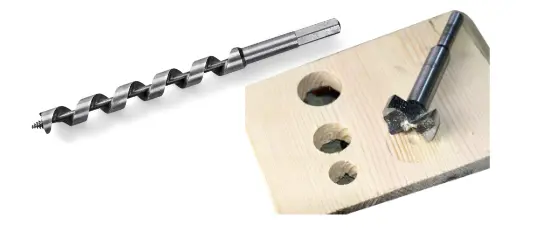
Besides cutting, drilling also requires proper handling to prevent cracked melamine surfaces. Incorrect drilling techniques can easily damage the decorative layer.
Use Forstner Drill Bits
Forstner drill bits are highly recommended for Melamine Faced Chipboard (MFC) applications because they produce:
- Flat-bottom holes
- Cleaner edges
- Minimal surface chipping
These drill bits are commonly used for concealed cabinet hinges.
Apply Stable Drilling Speed
Drill Melamine Faced Chipboard (MFC) with steady speed and gentle pressure.
Avoid excessive force because it may damage the melamine surface.
Use a Waste Board Underneath Melamine Faced Chipboard (MFC)
When drilling through Melamine Faced Chipboard (MFC), place a waste board underneath the material. This simple method helps prevent chipping on the bottom side of Melamine Faced Chipboard (MFC).
Match Drill Bit Size with Screw Diameter
Always ensure the drill bit size matches the screw or hinge diameter. Incorrect hole sizing may weaken Melamine Faced Chipboard (MFC) or cause cracking during installation.
Recommended Screws for Melamine Faced Chipboard Assembly

Using the correct screw type is essential for strong and long lasting furniture construction.
Use Confirmat Screws
Confirmat screws are among the best fasteners for Melamine Faced Chipboard (MFC) furniture.
Their advantages include:
- Strong gripping power
- Better structural stability
- Suitable for knockdown furniture systems
Use Self Tapping Screws for Melamine Faced Chipboard
Self tapping screws designed specifically for Melamine Faced Chipboard (MFC) can also provide strong and efficient assembly performance.
Avoid Repeated Disassembly on the Same Hole
Because Melamine Faced Chipboard (MFC) uses a particle based core, repeated assembly and disassembly may enlarge screw holes over time.
For frequently removable joints, it is recommended to use:
- Insert nuts
- Dowel connectors
These systems improve long term durability and joint strength.
How to Make Melamine Faced Chipboard (MFC) Furniture Strong Enough for Heavy Loads
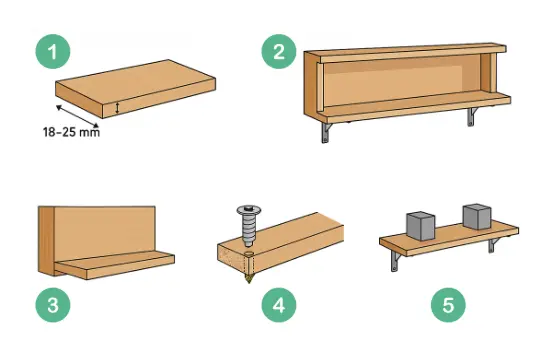
Some people assume Melamine Faced Chipboard (MFC) furniture is weak for heavy duty applications. In reality, proper construction methods can significantly improve its strength.
Use Appropriate Melamine Faced Chipboard (MFC) Thickness
For shelves or structural Melamine Faced Chipboard (MFC) carrying heavy loads, use panel thicknesses between:
- 18 mm
- 25 mm for heavier applications
Thicker Melamine Faced Chipboard (MFC) reduce bending and improve structural integrity.
Add Middle Supports or Metal Brackets
Long shelves should include center supports or metal brackets underneath to reduce Melamine Faced Chipboard (MFC) deflection. This technique is commonly used in bookshelves and kitchen cabinets.
Install Full Back Panels
Using full back panels secured with screws or nails helps increase overall furniture rigidity. It also improves furniture stability and durability.
Distribute Weight Evenly
Avoid placing heavy loads on a single point of the Melamine Faced Chipboard (MFC) furniture. Even weight distribution helps extend the lifespan of Melamine Faced Chipboard (MFC) furniture.
Proper Edge Banding Installation for Melamine Faced Chipboard (MFC)
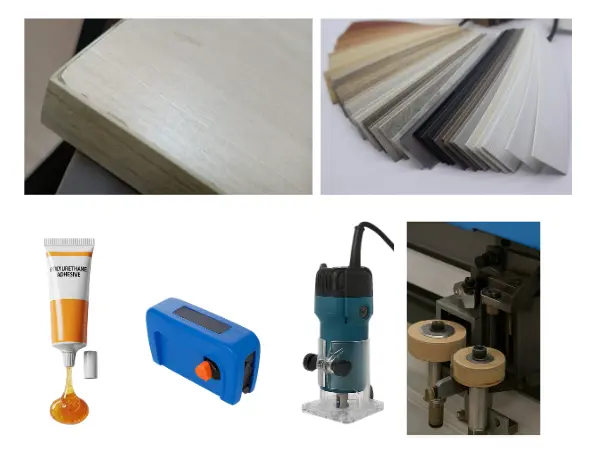
Edge banding plays an important role in protecting the exposed particle board core from:
- Moisture
- Dust
- Termite attacks
- Minor impacts
In addition, proper edging creates a cleaner and more professional Melamine Faced Chipboard (MFC) furniture appearance.
Ensure Melamine Faced Chipboard (MFC) Edges Are Clean and Dry
Before applying edge banding, make sure Melamine Faced Chipboard (MFC) edges are:
- Clean
- Dry
- Dust free
Dirty surfaces may reduce adhesive performance.
Use Suitable Adhesives
Common adhesives used for Melamine Faced Chipboard (MFC) edging include:
- EVA hot melt glue
- PUR (Polyurethane) adhesive
The adhesive selection should match the required heat and moisture resistance.
Adjust Roller Pressure Correctly
Proper roller pressure ensures the edging adheres evenly without air bubbles.
Perform Trimming and Finishing
Trimming and finishing are important to achieve:
- Smooth edges
- Seamless joints
- Professional finishing quality
Using high quality edging materials also improves heat, moisture, and impact resistance.
Why High Quality Melamine Faced Chipboard (MFC) Material Matters
Besides installation techniques, the quality of the Melamine Faced Chipboard (MFC) panel itself also greatly affects furniture durability and finishing quality. If you are looking for high quality Melamine Faced Chipboard (MFC), you can find it at PT. Rimba Partikel Indonesia, the number one supplier of Japanese standard Melamine Faced Chipboard (MFC) in Indonesia, which is certified under both TKDN and international standards.
High quality Melamine Faced Chipboard (MFC) panels offer:
- Better core density
- More stable surfaces
- Stronger melamine layers
- Cleaner cutting performance
Proper material handling and packaging during shipping are also important to maintain panel quality before installation. You can learn more about Particle Board and Melamine Faced Chipboard Shipping Packaging to understand how proper packaging systems help protect panel boards from damage during transportation.
Frequently Asked Questions About Techniques for Installing and Assembling Melamine Faced Chipboard (MFC)
Why does Melamine Faced Chipboard (MFC) chip during cutting?
Chipping usually occurs because of dull blades, incorrect cutting speed, or improper saw blade types.
What screw is best for Melamine Faced Chipboard (MFC) furniture?
Confirmat screws and self-tapping screws designed for panel boards are highly recommended.
Why is edge banding important for Melamine Faced Chipboard (MFC)?
Edge banding protects the exposed core from moisture, dust, termites, and impact damage.
Can Melamine Faced Chipboard (MFC) furniture support heavy loads?
Yes, as long as the correct panel thickness and structural supports are used.
What machine is best for cutting Melamine Faced Chipboard (MFC)?
Panel saw machines and CNC routers provide the most accurate and consistent cutting results.