


18mm 刨花板地板(Chipboard Flooring)是住宅和商业项目中最常用的基层地板(Subfloor)和垫层(Underlayment)材料之一。它在结构性能、成本效益和安装便利性之间实现了良好的平衡,因此成为众多地板应用中的标准规格。
本指南将全面介绍您需要了解的内容,包括什么是 18mm 刨花板地板、它与其他厚度规格的比较、承载能力、防潮性能、安装要求,以及采购时需要关注的关键因素。
什么是 18mm 刨花板地板?
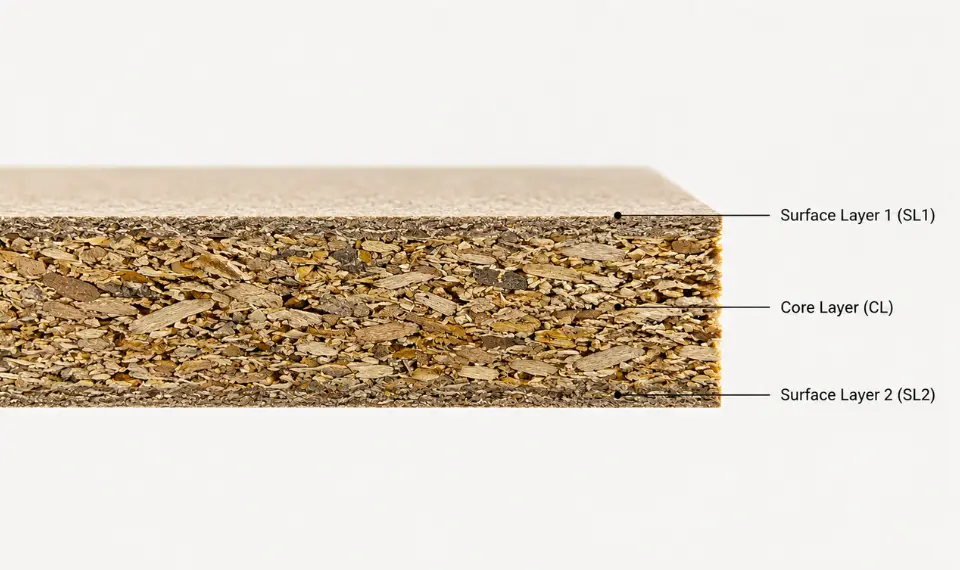
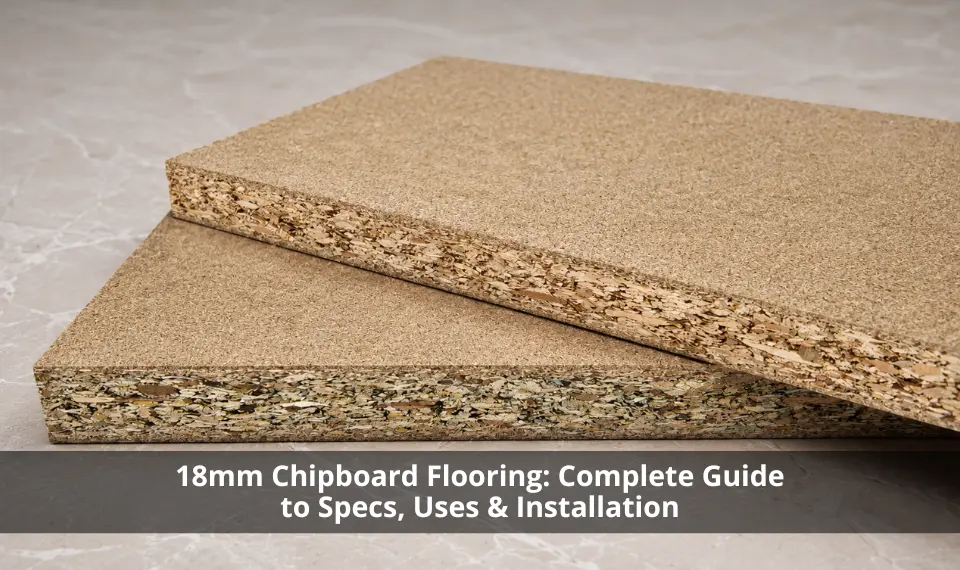
刨花板地板(Chipboard Flooring),也称为 Particle Board Flooring 或 P5 地板板材(P5 Flooring Board),是一种工程木板材,由木屑和树脂胶混合后,在高温高压下压制成平整板材。
在地板系统中,它通常作为 基层地板(Subfloor) 或 垫层(Underlayment) 使用,并铺设在最终饰面地板(如强化地板、乙烯基地板、工程木地板或地毯)之下。18mm 是最常见的规格厚度,因为它能够在标准 400mm 至 600mm 龙骨间距(Joist Spacing) 条件下提供足够的刚性和承载能力,同时不会带来过高的重量和成本。
为什么 18mm 是最常见的规格?
刨花板地板通常提供 15mm、18mm、22mm 和 25mm 等多种厚度规格。不同厚度适用于不同的龙骨间距(Joist Spacing)和承载要求。
| 厚度 | 龙骨间距 | 适用荷载 |
|---|---|---|
| 15 毫米 | 最多 450mm | 轻型住宅、低人流量 |
| 18 毫米 | 最多 600mm | 标准住宅地板 |
| 22mm | 最多 600mm | 重载住宅、轻型商业用途 |
| 25 毫米 | 最多 600mm | 重型商业用途、高荷载环境 |
对于大多数住宅项目而言,18mm 是最实用的选择。它能够满足标准跨度的强度要求,同时重量适中、施工方便,并且比更厚规格更具成本优势。
如果龙骨间距超过 600mm,或者应用于重载商业环境,则建议使用 22mm 或更厚的板材。
P4 与 P5:地板应用应该选择哪个等级?
并非所有刨花板都适用于地板用途。欧洲标准 EN 312 根据应用场景将刨花板划分为不同等级。对于地板应用而言,以下两个等级最为重要:
P4 —— 干燥环境用承重刨花板
适用于湿度影响较小的干燥环境。该等级属于标准承重板材,成本相对较低。
P5 —— 防潮型承重刨花板(HMR)
P5 是地板应用中最常见的等级,尤其广泛应用于英国及采用欧洲标准的市场。P5 刨花板采用防潮芯层(Moisture-Resistant Core),通常可通过绿色芯层横截面进行识别。该结构能够有效减少因湿度变化而导致的膨胀和结构性能下降,特别适用于首层地板等湿度波动较大的环境。
对于印度尼西亚等热带气候地区的地板应用,我们强烈建议至少选择 P5 等级或同等级 HMR 刨花板 作为最低配置标准。
关键规格:18mm 刨花板地板 →
| 性能参数 | 规格 |
|---|---|
| 厚度 | 18mm(公差 ±0.3mm) |
| 标准板材尺寸 | 2400 × 600mm(T&G 榫槽型)或 2440 × 1220mm |
| 密度 | 640–700 kg/m³(P5/HMR 等级) |
| 单张重量(2400 × 600mm) | 约 16–17 kg |
| 最大龙骨间距 | 600mm |
| 边缘形式 | 榫槽连接(Tongue & Groove,T&G)或直边(Square Edge) |
| 防潮性能 | 地板应用建议使用 P5/HMR 等级 |
| 标准型 | EN 312, JIS A 5908 |
榫槽型(T&G)与直边型(Square Edge)的区别 →
18mm 刨花板地板通常提供两种边缘形式:
榫槽型(T&G)
板材长边一侧设计为 榫头(Tongue),另一侧设计为 槽口(Groove),安装时相邻板材可以相互咬合连接。这种结构能够形成更坚固、更稳定的地板系统,并改善板材之间的荷载传递性能。T&G 是地板应用的标准配置,因为它能够减少受力时板材之间的位移,并提供更平整、更稳定的完成面。
直边型(Square Edge)
板材边缘为直线切边,没有榫槽连接结构。适用于所有边缘都能获得充分支撑,且无需使用 T&G 连接的场景。
虽然在地板应用中不如 T&G 常见,但在平屋顶铺板(Flat Roof Decking)和部分工业用途仍然广泛使用。
对于住宅和商业地板基层应用,建议优先选择 18mm 榫槽型(T&G)刨花板地板。 tongue and groove 18mm chipboard.
承载能力与结构性能
当 18mm P5 刨花板地板 安装在 600mm 龙骨中心距(Joist Centres) 条件下时,可承受标准地板荷载:住宅用途:约 1.5 kN/m² 轻型商业用途:约 2.0–2.5 kN/m²这也是 18mm P5 板材成为标准住宅地板规格的重要原因之一。
影响承载性能的因素
- 龙骨间距: 更小的龙骨间距(如 400mm)能够显著提高地板的实际承载能力。
- 所有边缘均有支撑: 板材的所有边缘都应得到充分支撑。未受支撑的边缘会降低整体刚度。
- 板材之间使用胶粘剂: 在 T&G 榫槽接缝处使用专用地板胶,可明显提高结构刚性,并减少长期使用后的异响(吱吱声)。
- 安装时的含水率: 如果板材在安装前已经吸收湿气,后续干燥过程中可能出现膨胀和异响。因此在安装前应始终保持板材平放并存放于干燥环境中。
防潮性能:为什么对地板应用如此重要?
地板是刨花板应用中最容易受到湿气影响的场景之一,特别是:首层地板(Ground Floor) 车库上方的房间 靠近给排水管道的区域
标准 P4 等级刨花板 并不适合这些环境。当普通刨花板吸收湿气后,会发生膨胀——尤其是在边缘部位——并可能导致结构强度明显下降。一旦发生膨胀,即使重新干燥,也无法完全恢复原有尺寸和性能。
P5/HMR 刨花板 采用更高等级的防潮树脂体系,可有效降低吸水率。其最明显的识别特征是 绿色芯层。如果板材截面呈浅米色或淡黄色,则通常属于普通刨花板,而非 HMR 产品。
对于所有 首层地板 和 浴室地板基层 应用,建议至少采用 18mm P5/HMR 刨花板地板 作为最低规格标准。
安装指南:18mm 刨花板地板 →
1. 存放与适应环境
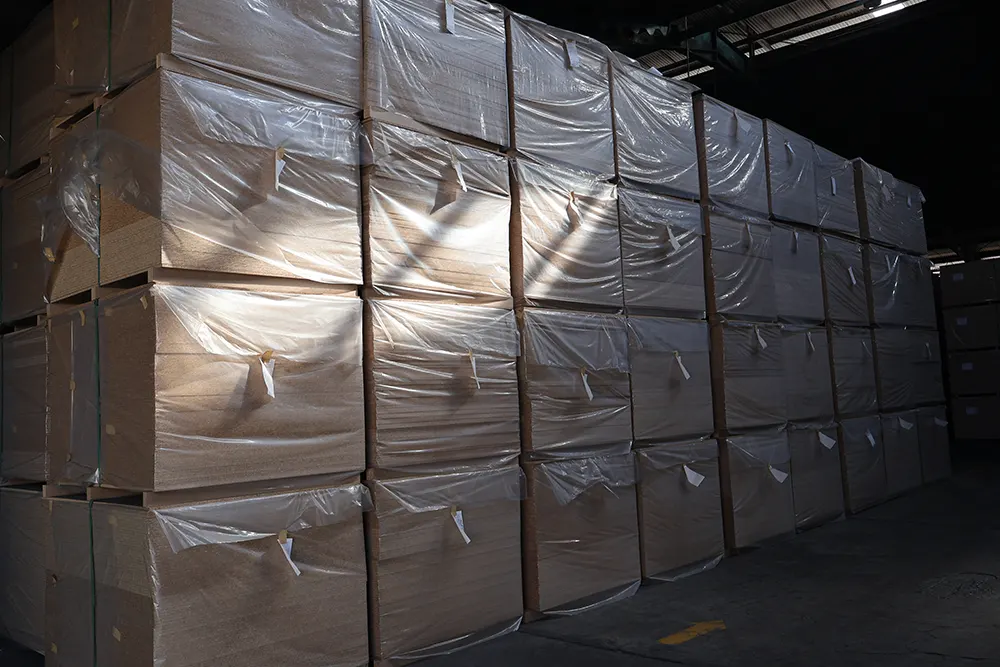
安装前至少 48 小时 将板材平放存放在干燥环境中,并避免直接接触地面。若板材在储存期间吸收湿气,安装后可能发生膨胀。
2. 龙骨准备
检查所有龙骨(Joists)的平整度,允许误差不超过 3 米范围内 ±3 mm。如有需要,应进行垫高或修整。龙骨必须保持干燥且无腐朽现象。
3. 铺设方向
板材长边应与龙骨方向 垂直铺设。相邻排板材的端部接缝应至少错开 600 mm,以避免形成连续接缝,提高整体结构稳定性。
4. T&G 接缝处使用胶粘剂
在将榫头(Tongue)插入槽口(Groove)之前,应在槽口内连续涂抹地板专用胶(PVAc 或其他专业地板胶)。 这样可以减少板材之间的移动,并有效防止日后产生异响
5. 固定方式
将板材固定在龙骨上:使用长度不少于 65 mm 的环纹钉(Ring-Shank Nails),间距 150–200 mm 或使用螺钉固定,间距 300 mm不要仅依靠胶粘剂来固定板材。
6. 伸缩缝
沿房间周边墙体预留 10–12 mm 的伸缩缝,以适应季节性温湿度变化带来的尺寸变化。
7. 安装后的保护措施
安装完成后,应立即保护地板免受潮气和施工人员频繁踩踏的影响。在最终地面饰面层安装之前,不得让刨花板地板受潮或接触积水。
常见问题及预防方法
地板异响
原因: 榫槽接缝(T&G)处发生位移,或板材与龙骨之间出现松动。
预防措施:
预防措施:使用 P5/HMR 等级刨花板。 安装后立即采取防潮保护措施。 确保基层(Subfloor)在铺设前保持干燥。
板材移动
原因: 固定件数量不足或板边缺乏支撑。预防措施:沿龙骨每隔 150–200 mm 设置固定点。 确保所有板边均获得充分支撑。
板材间挠度不一致
原因: 板材未正确咬合连接,或龙骨表面不平整。预防措施:安装前检查龙骨平整度。 使用 Tongue & Groove(T&G)榫槽结构。 在所有接缝处使用胶粘剂固定。
18mm 刨花板地板与其他材料对比
| 材料 | 费用 | 防潮性 | 实力 | 适用材料 |
|---|---|---|---|---|
| 18mm P5 刨花板 | 低 | 良好(HMR) | 中型 | 标准住宅地板 |
| 18mm 胶合板 | 中等–高】 | 良好至优秀 | 高 | 重载、结构用途、潮湿区域 |
| 22mm P5 刨花板 | 低–中等 | 好 | 中等–高】 | 重载住宅、轻型商业用途 |
| 18mm OSB/3 | 低–中等 | 好 | 中等–高】 | 刨花板替代方案、结构用途 |
| 混凝土找平层 | 高 | 优秀 | 非常高 | 首层地面、商业建筑 |
对于标准住宅地板项目,如果成本控制是首要考虑因素,18mm P5 刨花板 是目前最常见且最具成本效益的选择。对于更高荷载要求或存在直接接触水风险的区域,胶合板(Plywood) 通常是更合适的规格选择。
不同应用场景中的刨花板地板
住宅上层地板(木龙骨结构) 1
在住宅建筑中,采用 18mm T&G P5 刨花板 并配合 600mm 龙骨中心距,是上层地板基层的标准规格。该材料成本低、安装速度快,并能为地毯、工程木地板、PVC 地板及瓷砖(经过适当基层处理后)提供稳定的基层。
首层地板(悬空木结构)
对于所有首层地板应用,建议至少采用 P5/HMR 等级,因为地板下方存在湿气侵入的风险。同时应确保基层空间具有良好的通风条件,以防止湿气积聚。
施工期间的临时工作平台
18mm 刨花板广泛用于施工阶段的临时工作平台。如果施工期间地板可能暴露于室外环境或潮湿天气,应选择 P5/HMR 等级 以提高防潮性能。
平屋顶铺板
在平屋顶结构中,通常采用 22mm 或 25mm 直边(Square Edge)刨花板 作为结构铺板材料。由于承载能力和挠度控制要求,18mm 刨花板一般不建议用于屋面铺板应用。
常见问题解答
18mm 刨花板地板的最大跨度是多少?
18mm P5 刨花板地板适用于标准住宅荷载条件下,最大 600mm 龙骨中心距(Joist Centres)。
18mm 刨花板地板必须使用胶粘剂吗?
板材本身不一定需要粘接到龙骨上,但强烈建议在 T&G(榫槽)接缝 处使用胶粘剂。这样可以:提高地板整体刚度 减少板材之间的移动 基本消除地板异响(Squeaking)
18mm 刨花板地板可以用于浴室吗?
18mm P5/HMR 刨花板可以作为浴室基层(Subfloor)使用,但必须避免直接接触水。对于以下长期潮湿区域:淋浴区(Shower Area) 湿区浴室(Wet Room) 无干湿分离浴室建议采用完全防水的基层系统。
如何识别 P5/HMR 刨花板地板?
Look at the cross-section of a cut panel. P5/HMR chipboard has a distinctive green-tinted core from the moisture-resistant resin. Standard P4 chipboard has a pale beige or yellow-brown core.
What is the difference between P4 and P5 chipboard flooring?
查看板材截面(Cross-Section)。P5/HMR 刨花板具有明显的绿色芯层,这是防潮树脂的特征。而普通 P4 刨花板的芯层通常呈浅米色、浅黄色或浅棕色。P4 和 P5 刨花板地板有什么区别?P4 是适用于干燥环境的承重刨花板。P5 是具有防潮性能的承重刨花板(HMR 等级),专门用于存在湿气风险的环境。对于大多数地板应用,特别是:首层地板(Ground Floor) 靠近管道区域 高湿度环境P5/HMR 是更推荐且更安全的规格选择。
刨花板地板可以用于地暖系统(Underfloor Heating)吗?
可以,但需要注意几个关键因素。与混凝土找平层(Screed)相比,刨花板的导热性能较低,因此地暖系统的热效率可能会略有下降。此外,必须严格控制板材的含水率,因为地暖运行过程中会持续使板材干燥,而含水率的大幅变化可能导致板材发生尺寸变化或变形。
如何选择适合地板应用的刨花板?
对于地板应用而言,除了厚度之外,刨花板芯层所使用的树脂体系同样非常重要。 三聚氰胺脲醛树脂(MUF) 因此,M-Type 刨花板特别适用于 P5/HMR 地板应用,因为这类应用对板材在湿度变化环境下的尺寸稳定性要求较高。
PT Rimba Partikel Indonesia 在中爪哇 Kendal 工厂生产采用 MUF 树脂的 M-Type Particle Board。产品提供 15mm 至 25mm 的常用地板厚度规格,并可提供 E1 至 E0S 等不同甲醛排放等级。对于需要达到 P5/HMR 性能标准 并配备完整技术文件的项目,RPI 可提供完整的技术数据表(Technical Data Sheet)、产品规格文件以及相关认证资料。
📞 Phone: +62 24 866 2990 📧 Email: admin-rpi@rimbapartikel.com 🔗 查看刨花板规格 → 🔗 Contact Us →