

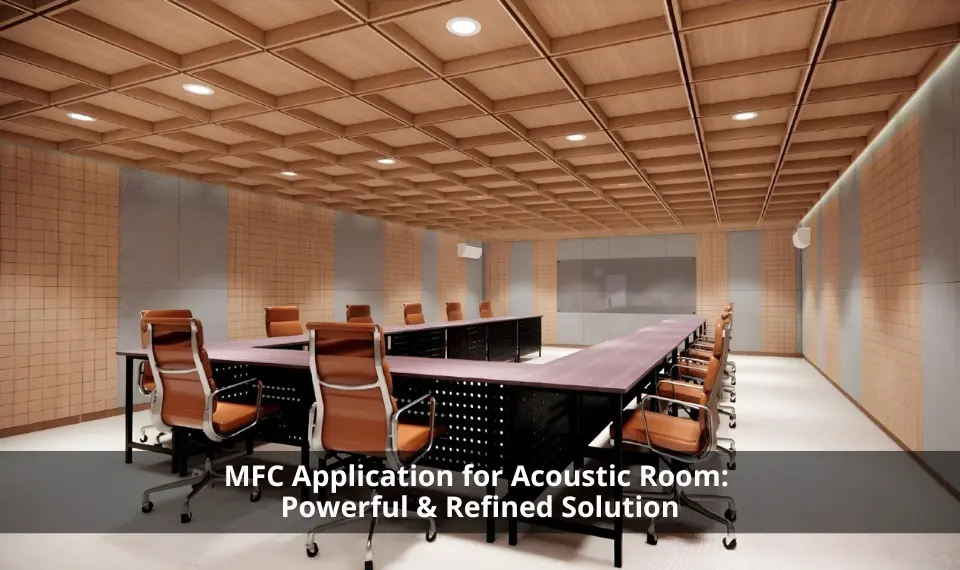
A well-designed meeting room is not only about visual appeal but also about sound quality. MFC Application for Acoustic Room offers a powerful solution to enhance acoustic performance while maintaining a refined, professional interior. By integrating Melamine Faced Chipboard (MFC) into acoustic wall panels, meeting spaces can achieve better sound clarity, comfort, and visual harmony.
Initial Condition of the Meeting Room Before MFC Application
Before implementing the MFC Application for Acoustic Room, the meeting space featured plain wall surfaces with minimal acoustic treatment. This condition often caused excessive sound reflection, echo, and reduced speech clarity during meetings.
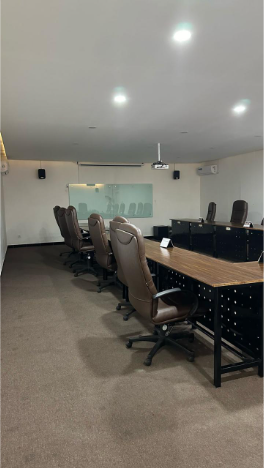
From a visual standpoint, the room appeared functional but lacked character and acoustic sophistication required for professional discussions and presentations.
Acoustic Room Design Plan by Saneacoustics
The MFC Application for Acoustic Room process began with a comprehensive acoustic design plan developed by Soneacoustics (PT. Setia Kreasi Suara). The design focused on sound control, panel placement, and spatial balance while preserving a clean and modern aesthetic.
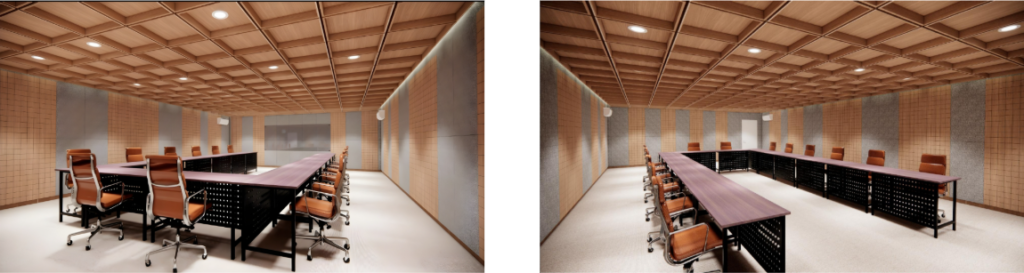
This planning stage ensured that every panel served both acoustic and visual purposes, creating a meeting room environment that supports focus and productivity.
Wall Panel Materials in MFC Application for Acoustic Room
Material selection plays a vital role in MFC Application for Acoustic Room. The wall panel system combines:
- Melamine Faced Chipboard (MFC) as the finishing surface
- Acoustic foam as the sound absorbing layer
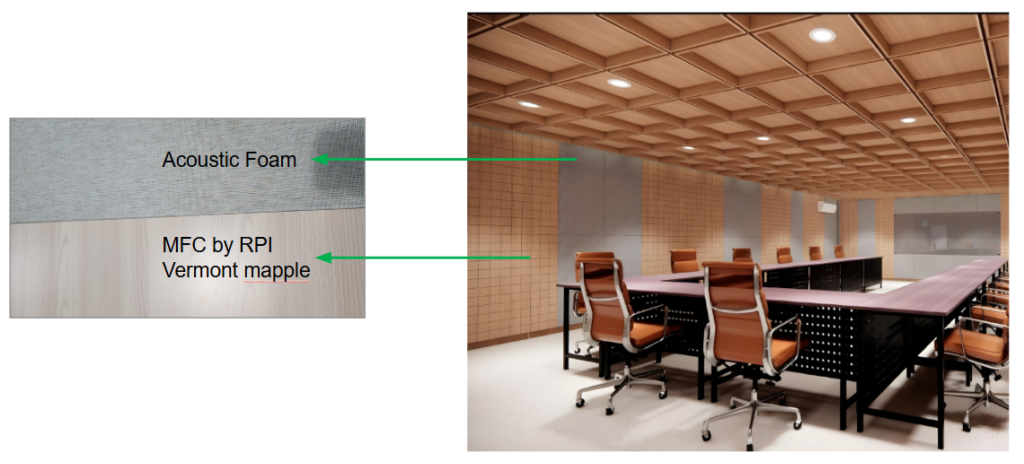
MFC provides durability and a refined appearance, while the acoustic foam effectively absorbs sound waves, resulting in improved acoustic performance.
Panel Design Details for Optimal Acoustic Performance
Detailed panel design is essential in MFC Application for Acoustic Room. The panels feature a structured grid pattern with precise perforations, allowing sound waves to be diffused and absorbed efficiently.
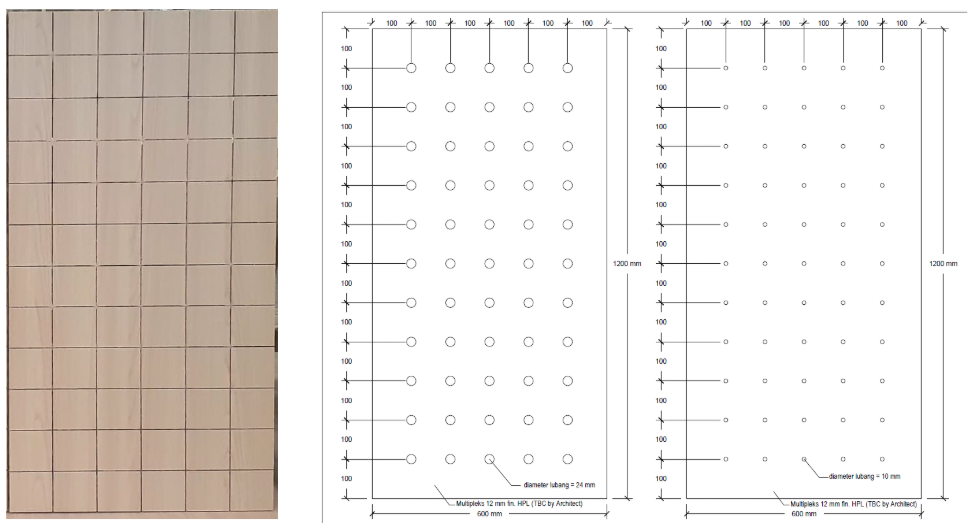
These technical details are carefully calculated to balance acoustic effectiveness with structural integrity and visual consistency.
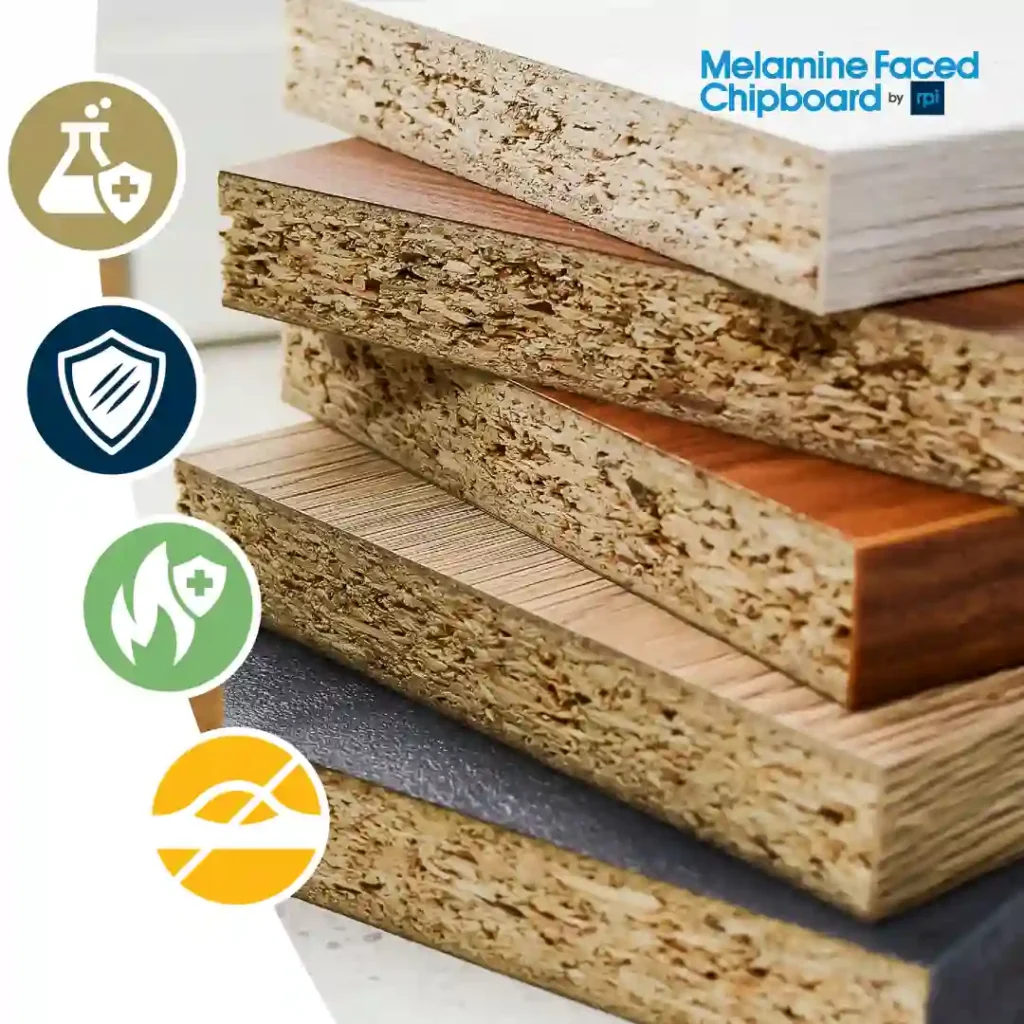
Raw Material Selection: MFC Vermont Maple by RPI
For this MFC Application, MFC Vermont Maple by PT. Rimba Partikel Indoensia was selected as the primary raw material due to its warm natural appearance, stable surface quality, compliance with Japanese manufacturing standards, and supported by official TKDN certification. Beyond its visual appeal, this MFC offers long term durability with strong resistance to humidity, heat, stains, abrasion, and termite attacks, making it suitable for intensive meeting room use.
The board is available in a wide range of thickness options from 6 mm to 30 mm, with formaldehyde emission levels classified as E0s, E0, E1, and E2, allowing flexibility to meet various technical and environmental requirements. In addition to Vermont Maple, a wide selection of other MFC colors and finishes is also available, please feel free to explore the complete collection here.
Frame Structure Fabrication for Acoustic Panels
Frame fabrication is a critical stage in MFC Application for Acoustic Room. The MFC panels are produced using a sectional framing system designed to create internal acoustic cavities.
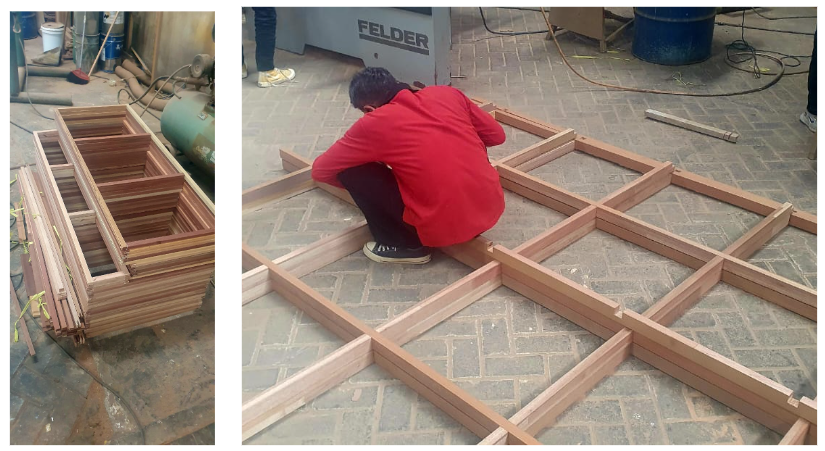
These cavities allow sound absorbing materials to perform effectively, improving the overall acoustic quality of the room.
Formation of Acoustic Partitions and Cavities
The formation of partitions and acoustic cavities is a core technical element of MFC Application for Acoustic Room. This structure:
- Creates space for sound-absorbing materials
- Enhances noise control and speech clarity
- Reduces sound reflection within the room
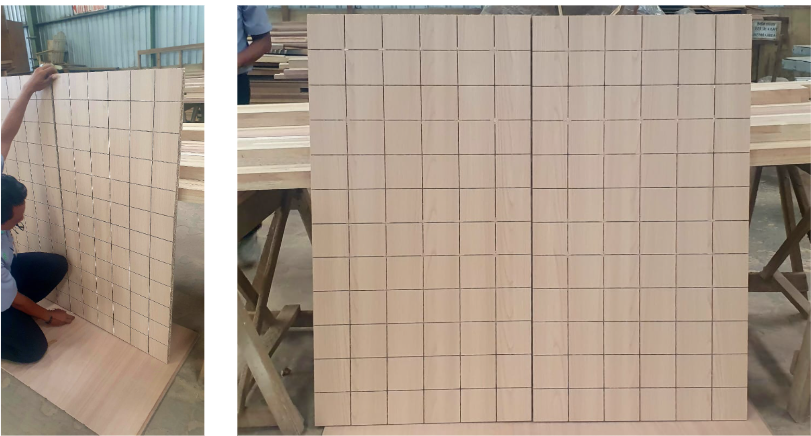
As a result, the meeting room achieves a more controlled and comfortable acoustic environment.
On-Site Installation of the Acoustic Frame Structure
During the on-site installation phase, the acoustic frame structure is mounted onto the existing wall. In MFC Application for Acoustic Room, this structure functions as the main support for MFC panels and as the foundation for acoustic cavities.
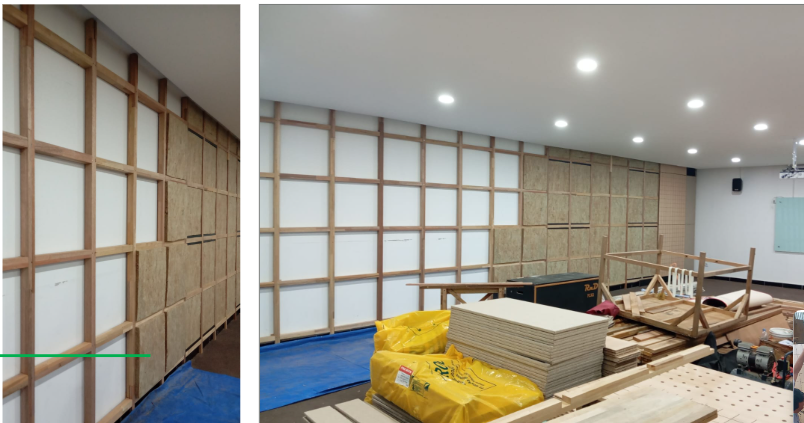
Sound-absorbing materials such as rockwool are installed before the final panel installation to maximize acoustic performance.
Installation of Acoustic Panels and Final Finishing
Once the frame structure is complete, the MFC Application for Acoustic Room continues with panel installation and finishing. MFC panels are installed precisely according to the design layout, resulting in a clean, seamless wall surface.
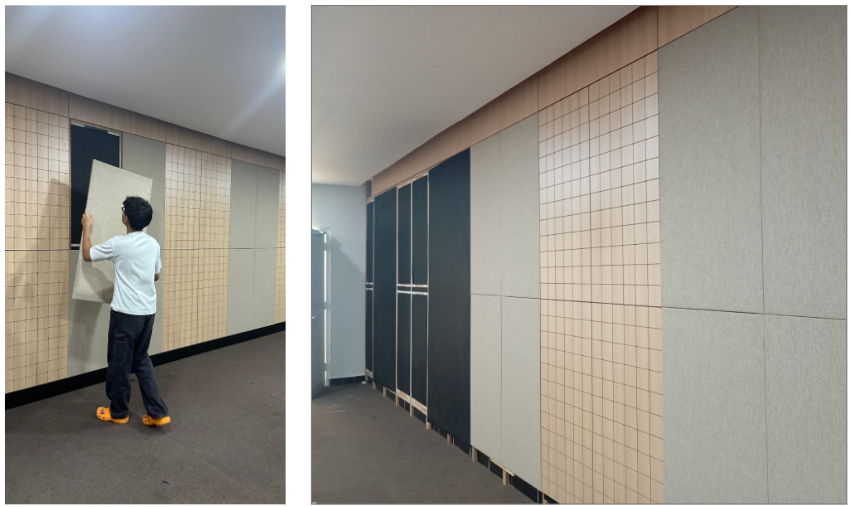
Careful finishing ensures uniformity, durability, and a polished professional appearance.
Final Result – Installed Acoustic Wall Panels
The final result of MFC Application for Acoustic Room is a meeting room with significantly improved sound quality and enhanced visual appeal. Sound reflection is reduced, speech becomes clearer, and the room offers a more focused and comfortable meeting experience.
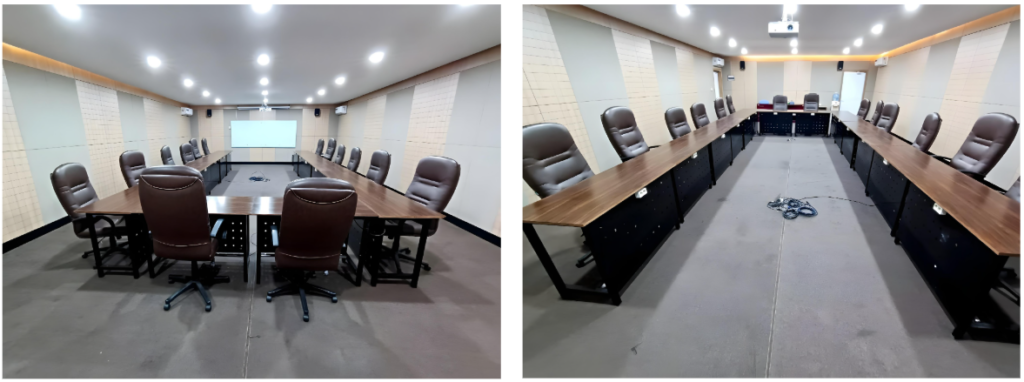
The space now reflects professionalism, functionality, and thoughtful interior design.
This project demonstrates how Melamine Faced Chipboard a reliable solution for interior projects that demand high quality, refined aesthetics, and satisfying performance while remaining cost-effective. If you are interested in using our MFC, please contact our marketing team via WhatsApp at +62 822-2646-3001 (Sukma) or email admin-rpi@rimbapartikel.com, and consult your project with us for FREE!