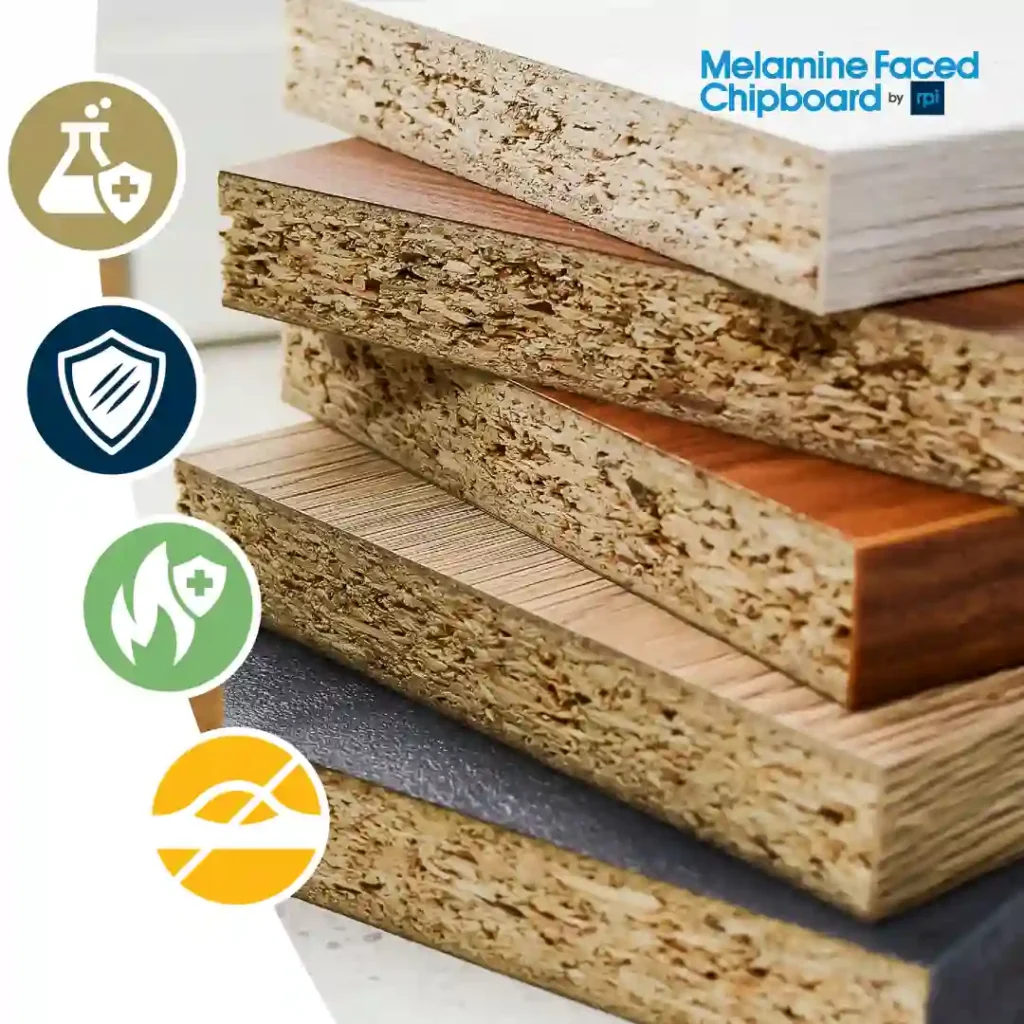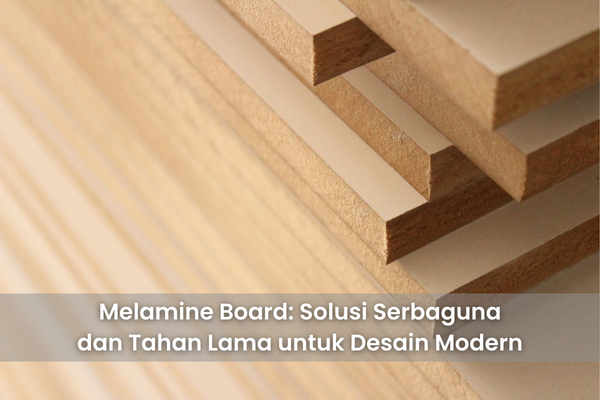




In the construction industries, MFC Board, also known as Melamine Faced Chipboard, is one of the commonly used materials in various projects. MFC Board is a type of wood-based panel that is adorned with a melamine coating on its surface. This panel has several advantages that make it a popular choice in various applications. This article covers what MFC Board is, its common applications, advantages, and selection tips you need to know. For a complete breakdown of all MFC advantages, see MFC Board: 8 Key Advantages →
What Is MFC Board?
MFC Board is a construction material made from wood chips or wood particles mixed with adhesives and then pressed into panels of a specific thickness. The surface of these panels is coated with a layer of melamine, available in a wide range of colors and design patterns. This melamine layer gives MFC Board strength, surface resistance, durability, and an aesthetic appearance.
Applications of MFC Board
MFC Board has a wide range of applications in the construction and manufacturing industries:
1. Furniture
MFC Board is commonly used to make cabinets, tables, kitchen cabinets, and other furniture. Its scratch-resistant and easy-to-clean surface makes it well-suited for these applications.
2. Interior Design
MFC Board is used in interior design projects such as wall panels, ceilings, and partitions. With a variety of color and texture options, MFC Board allows for the creation of diverse looks.
3. Doors and Windows
Some doors and windows use MFC Board as a laminating material, providing an elegant appearance and good durability.
4. Flooring
MFC Board, with its durability and easy maintenance, can be used as a decorative laminate flooring surface layer.
Advantages of Melamine Faced Chipboard
MFC Board has several advantages that make it a strong choice across these applications:
- Durability — Resistant to scratches and stains under normal use, tested against a 0.75N diamond-needle scratch test with no visible marking.
- Design Variety — Available in 150+ ready-stock and custom colour and pattern variants, including solid colours, woodgrain, and stone/textured finishes.
- Surface Resistance — Tested for chemical resistance (5% acetic acid, 1% sodium carbonate), heat resistance (180°C/10 minutes), and stain resistance against common household substances like coffee, tea, and sauces — all without visible change.
- Affordability — Generally more economical than solid wood or specialized laminating materials, while offering comparable surface durability.
Tips for Selecting Melamine Faced Chipboard
When choosing MFC Board, consider the following:
- Melamine Quality — Ensure a high-quality melamine coating for better durability; ask the manufacturer for surface test data (scratch, heat, chemical resistance) rather than relying on marketing claims alone.
- Core Type — Standard particle board core suits most indoor furniture; for kitchens, bathrooms, or moisture-exposed applications, choose an HMR (moisture-resistant) core instead.
- Thickness — Choose the thickness that suits your application; different projects may require varying thicknesses from 6mm up to 30mm.
- Color and Design — Select from ready-stock Solid Colours for faster turnaround, or custom Premium, Stone, Wood & Non-Wood designs for a specific project need.
- Reputable Manufacturer — Choose MFC Board from a manufacturer with recognized quality certification, such as JIS certification.
Get MFC Board from RPI
MFC Board is a versatile construction material that can enhance the aesthetics and durability of your projects. RPI has produced MFC since 2019 in partnership with AICA, from a JIS-certified facility in Kendal, Central Java, established in 1990. Contact us at admin-rpi@rimbapartikel.com or chat with us on WhatsApp to discuss specifications for your project.