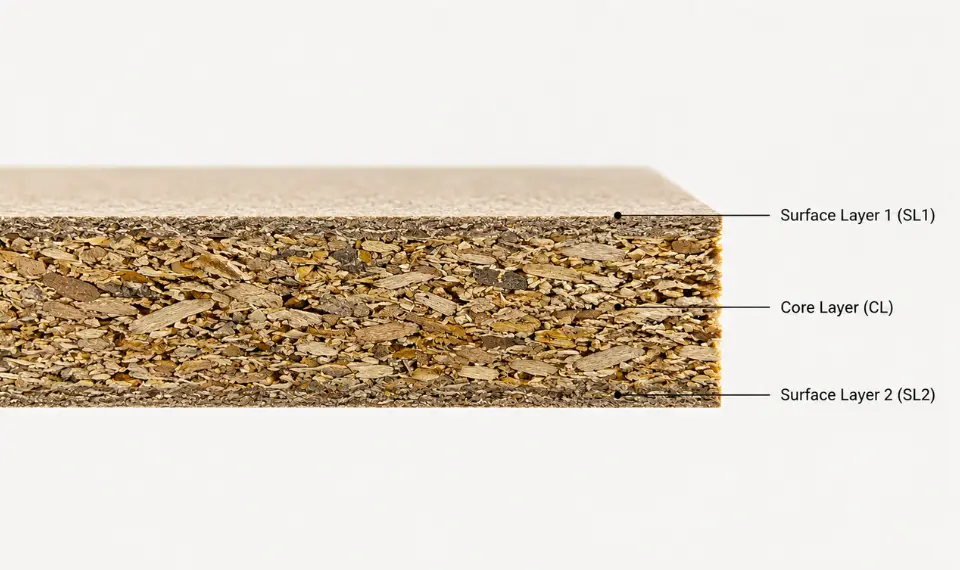



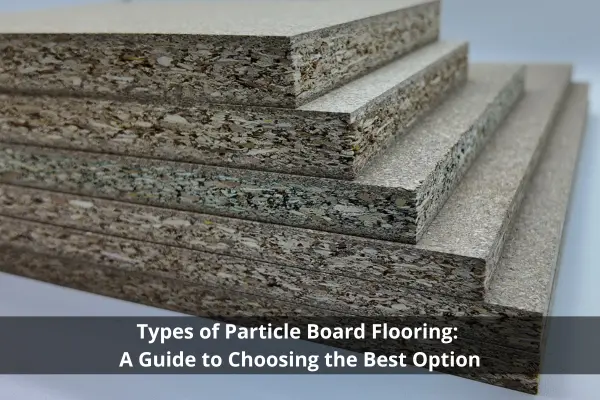
Types of particle board flooring vary based on composition, density, and usage. Particle board is a popular material for subflooring, underlayment, and low-cost flooring solutions. It is made from wood chips, sawdust, and resin that are compressed into sheets. This article explores the different types of particle board flooring available in the market, their benefits, and tips for choosing the right one for your needs.
What is Particle Board Flooring?
Particle board flooring is a wood-based material used in construction and interior design. It serves as a cost-effective alternative to plywood and MDF (Medium-Density Fiberboard). While it is not as strong as plywood, it is widely used in flooring applications due to its smooth surface and affordability.
Key Characteristics of Particle Board Flooring:
- Lightweight and easy to install
- Affordable compared to plywood or solid wood
- Smooth surface, ideal for laminate or carpet flooring
- Prone to moisture damage if not properly sealed or if a moisture-resistant grade isn’t used
Types of Particle Board Flooring Available in the Market
Particle board flooring is manufactured in a few different grades and finishes, depending on the application and the manufacturer’s product range:
1. Standard Particle Board Flooring
Compressed wood chips and resin pressed into sheets, commonly used for temporary flooring, furniture, and subfloors in low-moisture areas.
2. Moisture-Resistant (HMR) Particle Board
Treated with a moisture-resistant resin formulation to enhance durability in humid environments. Commonly used for bathroom and kitchen subfloors where moisture resistance is needed. This is the grade RPI produces for moisture-exposed applications — see our HMR particle board guide for details.
3. Laminated Particle Board Flooring
Features a decorative laminate or melamine layer on top, making it aesthetically pleasing and resistant to scratches. Ideal for residential and commercial spaces with light foot traffic.
Beyond these core grades, some manufacturers also offer fire-retardant or high-density variants for specialized commercial applications — availability varies by supplier, so it’s worth confirming with your particle board manufacturer directly which grades they produce. RPI’s current flooring-relevant range covers Standard and HMR (moisture-resistant) grades.
The table below summarizes the types most commonly available and their typical applications:
| Type of Particle Board | Features | Best for Applications |
|---|---|---|
| Standard Particle Board | Affordable, smooth surface | Subflooring, temporary floors |
| Moisture-Resistant (HMR) | Moisture-resistant formulation | Kitchen, bathroom subfloors |
| Laminated Particle Board | Aesthetic laminate layer | Residential, light commercial use |
Advantages of Particle Board Flooring
- Cost-Effective — More affordable than plywood or hardwood, making it an economical choice for budget-conscious projects.
- Smooth Surface — Fine wood particles create a uniform surface, ideal for applying laminate, carpet, or vinyl flooring.
- Easy to Install — Lightweight and easy to cut, making it simple to install.
- Environmentally Friendly — Made from wood scraps and sawdust, making it a more sustainable option than solid wood alternatives.
How to Choose the Right Particle Board Flooring
Consider the Location
- Use moisture-resistant (HMR) particle board in humid areas like kitchens and bathrooms.
- Standard grade is sufficient for dry, low-moisture areas.
Think About Durability
- Higher-density board handles heavier foot traffic better.
- Laminated particle board works well in living spaces for a polished look.
Proper Sealing and Finishing
- Apply sealants to prevent water damage, especially on standard-grade board.
- Use underlayment when installing particle board beneath carpet or vinyl.
Get Flooring-Grade Particle Board from RPI
For subflooring or flooring-related projects, contact RPI’s team at admin-rpi@rimbapartikel.com or chat with us on WhatsApp to discuss the right grade and thickness for your application. RPI is a JIS-certified particle board manufacturer based in Kendal, Central Java, established in 1990, producing to JIS A 5908:2022 standards with FSC-certified materials.
Conclusion
Types of particle board flooring vary based on composition and grade. From standard particle board for subfloors to moisture-resistant and laminated options for more demanding or decorative applications, choosing the right type depends on the location and durability needed. Proper sealing and finishing are crucial to extending the material’s lifespan regardless of grade.