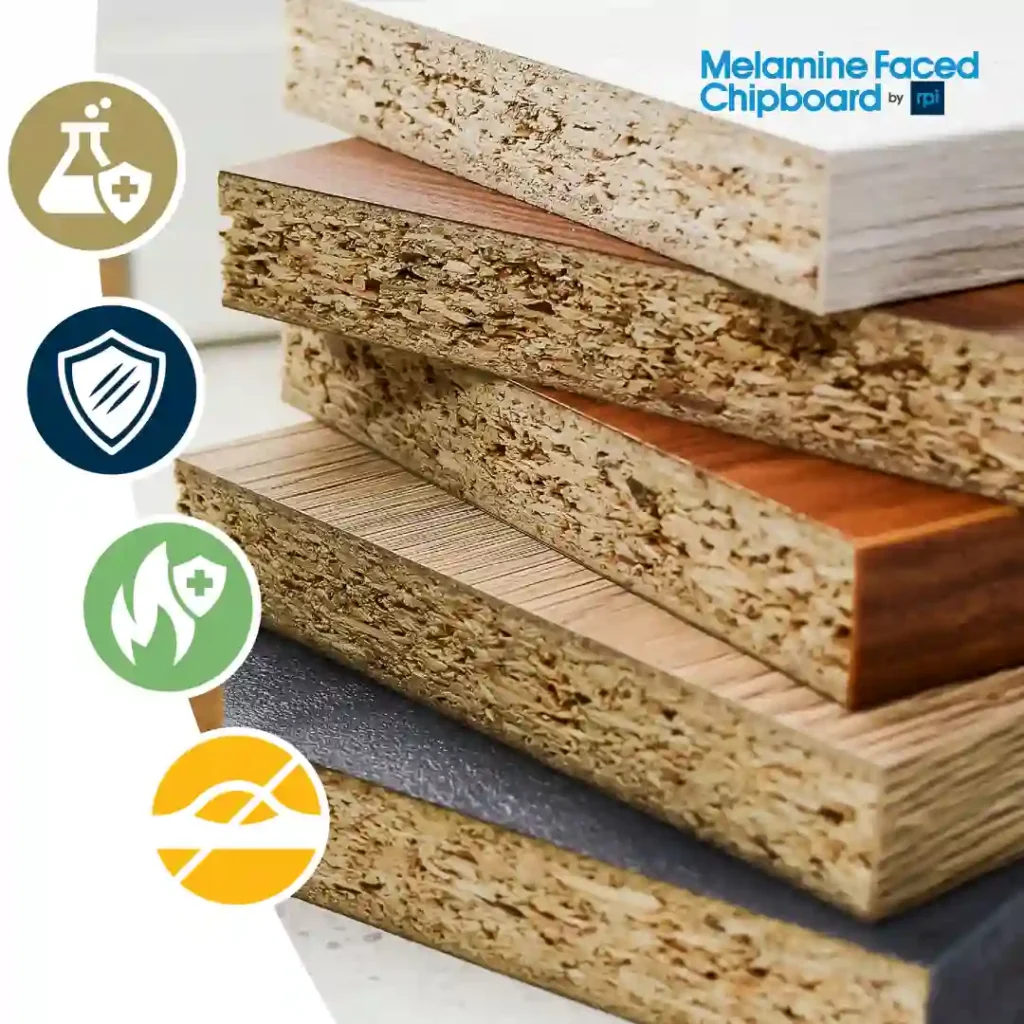



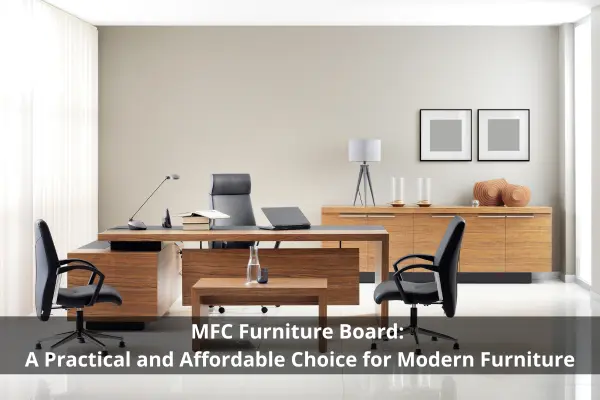
MFC furniture board is a widely used material in the furniture industry due to its combination of affordability, durability, and aesthetic appeal. This material is made from Melamine Faced Chipboard (MFC), which consists of particle board covered with a melamine layer, providing a smooth, scratch-resistant, and easy-to-clean surface. In this article, we will explore what MFC furniture board is, its advantages, types, and applications in interior design and furniture manufacturing.
What is MFC Furniture Board?
MFC (Melamine Faced Chipboard) furniture board is a type of engineered wood made by compressing wood particles with resin and coating it with a melamine finish. This results in a durable, aesthetically pleasing surface suitable for various furniture and interior applications. For full technical specifications and the complete colour catalogue, see RPI’s MFC Board product page.
Key Characteristics of MFC Furniture Board
- Smooth and scratch-resistant surface, making it ideal for furniture.
- Available in various colors and patterns, including wood grain and solid colors.
- Lighter than solid wood, making installation and transportation easier.
- Resistant to light moisture, especially when equipped with additional protective layers.
Types of MFC Furniture Board
1. Standard MFC
Standard MFC is the most common type, used for basic furniture like tables, shelves, and cabinets.
2. Moisture-Resistant MFC (HMR)
Manufacturers treat this type of MFC with a special formulation to make it more resistant to humidity, making it ideal for kitchen and bathroom furniture.
Read more: Is Melamine Chipboard Waterproof?
| Type of MFC | Key Features | Best Applications |
|---|---|---|
| Standard MFC | Affordable, available in many colors | Household furniture |
| Moisture-Resistant MFC (HMR) | More resistant to humidity | Kitchens, bathrooms |
Advantages of MFC Furniture Board
1. Cost-Effective
MFC furniture board is more affordable than MDF or solid wood, making it a budget-friendly option without compromising aesthetics.
2. Wide Range of Colors and Textures
Available in various wood grain patterns, solid colors, and glossy or matte finishes, allowing for versatile design choices.
3. Scratch-Resistant and Easy to Maintain
The melamine coating makes MFC resistant to scratches, stains, and dirt, making it low-maintenance.
4. Faster Furniture Production
Since MFC already has a finished surface, it does not require additional painting, coating, or laminating, reducing production time.
Applications of MFC Furniture Board in Interior Design
Household Furniture
Manufacturers commonly use MFC to make wardrobes, bookshelves, dining tables, and kitchen cabinets due to its modern appearance and cost-effectiveness.
Office Furniture
MFC is a popular choice for office desks, partitions, and storage cabinets due to its smooth surface and durability.
Wall Panels and Room Dividers
MFC with wood grain designs is used as wall cladding or room partitions, creating a stylish and functional space.
Tips for Choosing and Maintaining MFC Furniture Board
How to Choose the Right MFC Furniture Board
- Select the Right Thickness – Standard thickness for MFC ranges from 16–25 mm, depending on the intended use.
- Match the Type with Its Purpose – Use Moisture-Resistant (HMR) MFC for kitchens and bathrooms; Standard MFC is suitable for most other indoor furniture.
- Pick the Right Color and Texture – Choose wood grain textures for a natural look or solid colors for a modern aesthetic.
How to Maintain MFC Furniture Board
- Clean with a soft cloth and non-abrasive cleaner to preserve the surface quality.
- Avoid prolonged exposure to water, especially for standard MFC without additional moisture protection.
- Use protective mats or coasters to prevent scratches from sharp or hot objects.
Read more: Melamine Board vs MDF: Which One Suits Your Needs Best?
High-Quality MFC Board Furniture from PT. Rimba Partikel Indonesia
If you’re looking for durable, premium-looking MFC board furniture, choose Melamine Faced Chipboard from PT. Rimba Partikel Indonesia. Our products are manufactured to resist moisture, heat, stains, and scratches. While we haven’t conducted formal termite-resistance testing, RPI has had no reported termite issues in warehouse or customer stock since the factory began operating — perfect for home, office, or commercial interior applications.
📧 Email: admin-rpi@rimbapartikel.com 📱 Chat with us on WhatsApp
Contact us for more information or to request a custom quote tailored to your needs.
Conclusion
MFC is a practical, cost-effective, and aesthetically appealing material for modern furniture and interior design. With Standard and Moisture-Resistant (HMR) types available, MFC is ideal for applications ranging from home furniture and office desks to wall panels and room dividers. Proper selection and maintenance ensure that MFC-based furniture remains durable and visually pleasing for years.